
Electricity Forum Electricity Today Magazine Arc Flash Training

News and Trends

Latest News From The Industry

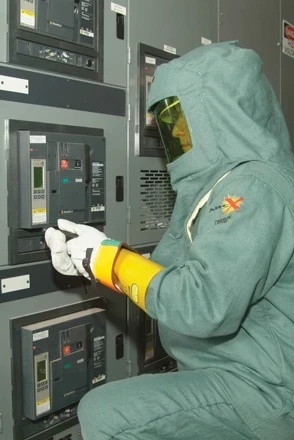
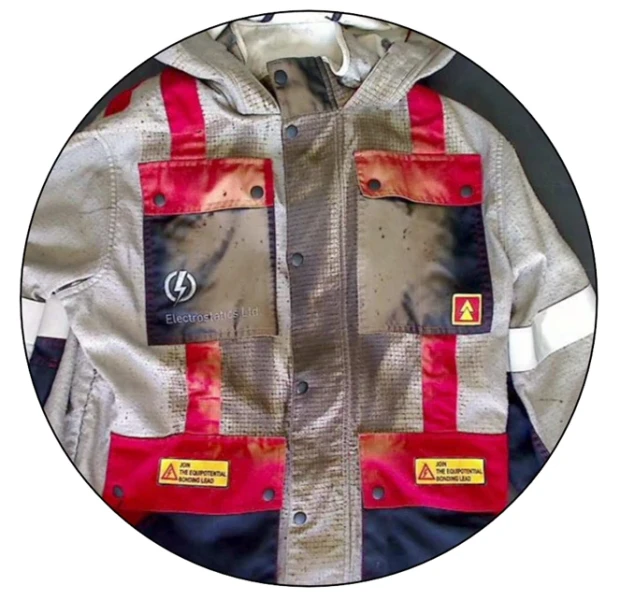
NOMEX protective garment

Advanced protection against electromagnetic exposures and electric arc

HAZARDS AROUND

While working live in the energized grid, presence of voltage around the workers requires special attention. However, live-line (live working) techniques are widely applied for decades, several accidents in the past prove that the level of safety must be improved to minimize the number and seriousness of injuries in the future.
In the high voltage grid, bare-hand method is a common technique for safe live work. In the surroundings of any energized equipment,...


Buyer's Guide


News & Trends


2024 CE Code Training - Better Understanding of the Rules

CE Code training is intended to do a lot more than instruct about what changes have taken place since the last time Canada issued a national electrical code. We are producing a series of courses across Canada by one of Canada’s leading experts on the 2024 Edition of Canada’s Electrical...

Counterfeiting Kills

Each year, the counterfeiting of well-known brands and products continues to rise, creating an even more threatening problem. Such well-known counterfeited brands, including consumer safety and critical electrical products, are estimated to be five to seven percent of world trade. The International...

Electrical Safety

IEEE Method Vs. the NFPA 70E Tables

IEEE Method Vs. the NFPA 70E Tables: Evaluating arc flash analysis methods

BY REZA TAJALI, Schneider Electric

Recent changes in workplace safety regulations have heightened the awareness of hazards associated with electrical arcs. The hazard level must be quantified and workers properly protected before entering proximity of exposed energized conductors. National Fire Protection Association’s (NFPA) standard 70E: “Standard for Electrical Safety in the Workplace” provides the guidelines for work involving electrical hazards and the selection of arc flash protective equipment.

In order to select the protective gear properly, one must have knowledge of the potential thermal energy of the electric...

Underestimating Arc Flash Hazards

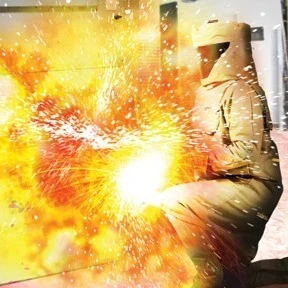
While most discussions about arc flash involve the calculation methods and associated personal protective equipment (PPE), electricians have a number of ways to protect themselves and their gear, including arc-resistant equipment and remote actuation and racking systems that eliminate—rather than reduce—electrical arc-related dangers while providing quantifiable force and other preventive maintenance data that can help avoid future catastrophes.

Similar to any energy source, an electrical circuit is a ticking bomb. It is simply waiting for the right conditions to blow. A twisted pole, faulty interlock, and enough energy will turn an electrical firecracker into a mortal lightning strike. Moreover, what...

Popular Electrical Safety Articles


How to Improve Electrical Safety

Avoid hazards with these suggestions BY ROB PROSSER & DANIELLE GALLO, Brady With an increase in accidents and injuries occurring in a variety of industries, employers are looking for ways to reduce hazards and improve safety within their facilities. Even with a plethora of information available...

Safety Footwear

When it comes to on-the-job safety, footwear serves as the main point of contact between workers and their environment. Because of the key role safety boots play in personal protective equipment (PPE), it is important to consider the various safety, performance, and comfort features as they relate...

The Guide to Arc Flash Clothing

A new method to choosing personal protective equipment BY JIM WHITE, Shermco Industries, Inc. Table 130.7(C)(15)(a) in the 2012 edition of NFPA 70E: “Standard for Electrical Safety in the Workplace”, published by the National Fire Protection Association, has always been difficult for...

Infrared and Electrical Safety

Infrared and electrical safety: meeting safety requirements using IR windows and thermal imaging BY COLIN PLASTOW, FLUKE Electronics By installing IR (infrared) windows, panes or ports, technicians using thermal imagers can inspect live electrical equipment without removing protective covers....